martes, 20 de octubre de 2015

I studied english yesterday

Welcome again to our blog.

We come back to talk about PAST SIMPLE. This tense is used to talk about things that happened in the past. Something that is already finished in the present. To write about the past we can use to different types of verbs: regular verbs and irregular verbs.

HAVE and  BE are irregular verbs.

HAVE: HAD

We HAD a concert yesterday

BE: WAS/WERE

We WERE at school last week.
I WAS sick last Friday.

STUDY and WATCH are regular verbs.

STUDY: STUDIED

I studied for my test

WATCH: WATCHED

Iwatched television yesterday


*

Bienvenidos de nuevo a nuestro blog.

Volvemos para hablar del PASADO SIMPLE. Este tiempo verbal se usa para hablar de cosas que ocurrieron en el pasado. Algo que ya está acabado en el presente. Para escribir sobre el pasado podemos utilizar dos tipos de verbos: verbos irregulares y verbos regulares.


http://learnenglishkids.britishcouncil.org/es/category/grammar/verb-tenses-aspects-moods/grammar-past-simple


http://learnenglishkids.britishcouncil.org.cn/en/grammar-games/past-simple-endings

http://learnenglishkids.britishcouncil.org.cn/en/grammar-games/past-simple-verb-be


domingo, 18 de octubre de 2015

I always study english but today I´m reviewing the test


This first unit is really simple. We are just reviwing things we learnt last year. Present simple and present continuos are similar because they both talk about things that happen in the present but they are also different as they are used to express when exactly or how often we do things.

*

Esta primera unidad es muy sencilla. Estamos repasando cosas que aprendimos el año pasado. El presente simple y el continuo son similares ya que ambos se usan para hablar de cosas que hacemos en el presente pero son también diferentes ya que se usan para expresar cuando o como de a menudo hacemos las cosas.

PRESENT CONTINUOS


PRESENT SIMPLE


She/He/It                                                          I/you/they


What time does she get up every day?                     What time do you get up?

She gets up at six o´clock                                 I get up at 6 o´clock

Does she get up at 6 o´clock?                          Do you get up at 6 o´clock?

Yes, she does                                                      Yes, I do.

Does she get up at 7 o´clock?                         Do you get uo at 7 o´clock?

No she doesn´t                                                  No, I don´t


Present simple explanation
http://www.anglomaniacy.pl/grammar13learn.pdf

present simple worksheet
http://www.anglomaniacy.pl/grammar13practise.pdf

present simple test yourself!
http://www.anglomaniacy.pl/grammar13test.pdf

present simple negative form explanation
http://www.anglomaniacy.pl/grammar14learn.pdf

present simple negative worksheet
http://www.anglomaniacy.pl/grammar14practise.pdf


present simple negative test yourself!
http://www.anglomaniacy.pl/grammar14test.pdf

present simple interrogative form explanation
http://www.anglomaniacy.pl/grammar16learn.pdf


present simple interrogative worksheet
http://www.anglomaniacy.pl/grammar16practise.pdf


present simple interrogative test yourself!
http://www.anglomaniacy.pl/grammar16test.pdf

present simple game
http://www.eslgamesplus.com/present-simple-tense-action-verbs-interactive-monkey-game/


REMEMBER

We use different adverbs of frecuency depending on the tense we are using
*
Recuerda, utilizamos diferentes adverbios de frecuencia dependiendo del tiempo verbal que estemos usando


Present simple
Present continuous
Always
Right now
Sometimes
Now
Often
Today
Rarely

never


TO REVIEW AND TEST YOURSELF
http://learnenglishkids.britishcouncil.org/en/grammar-tests/present-simple-and-present-continuous

miércoles, 23 de septiembre de 2015

3rd grade review

Hello everybody!
Welcome back to school again. Now that we have been for a couple of weeks at school is time to start getting ready for this new year and there´s no better way than reviewing the main points we studied during the last year.
Here you have some of the main topics included in this starter unit but nevertheless if you want to review more things remember that you can have a look at our third grade blog.

Ready, steady, go!!!

*

¡Hola a tod@s!
Bienvenidos al cole de nuevo. Ahora que hemos estado un par de semanas en el cole es el momento de empezar a prepararse para este nuevo año y que mejor manera de hacerlo que repasando los puntos fundamentales que estudiamos el año pasado.
Aquí tenéis algunos de los temas mas importantes incluidos en la unidad de inicio pero no obstante podéis repasar más cosas echando un vistazo a nuestro blog de tercero.

Preparados, listos, ya!!!!!

EXCUSE THE MESS, THESE KIDS ARE LEARNING (THIRD GRADE BLOG)

http://pmanyanetenglish3.blogspot.com.es/


THE TIME


http://www.primarygames.com/time/start.htm

http://www.abcya.com/telling_time.htm


COUNTABLE AND UNCOUNTABLE NOUNS


COUNTABLE AND UNCOUNTABLE GRAMMAR LESSON
http://www.anglomaniacy.pl/grammar-nouns-learn3.htm

http://www.anglomaniacy.pl/grammar-nouns-practise3.htm

http://www.anglomaniacy.pl/grammar-nouns-testyourself3.htm

http://www.anglomaniacy.pl/grammar-nouns-printables3.htm


CAN


"CAN" worksheeet / hoja de trabajo del verbo "CAN"

"CAN" Worksheet 2 / Hoja de trabajo verbo "CAN"


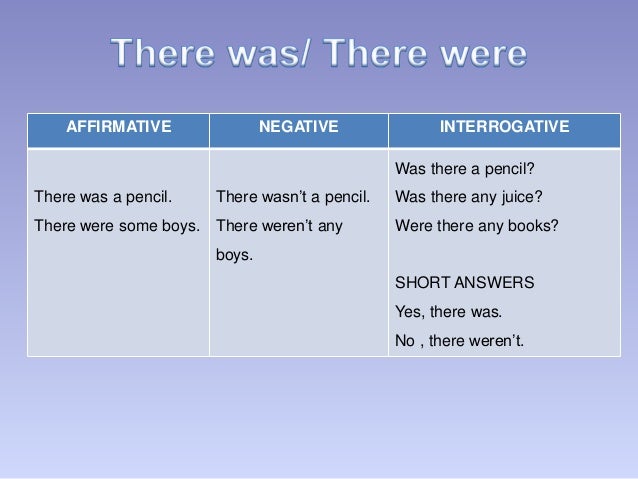
PAST SIMPLE (WAS/WERE)


There was/there were game (Just exercises 3 and 4)


http://www.englishexercises.org/makeagame/viewgame.asp?id=5211


miércoles, 2 de septiembre de 2015

Welcome


Hello everybody!! Welcome to our new fourth grade blog!! Here you will find many english and science resources: interesting videos, extra activities for you to do or even games for you to play. Who said english and science were boring?
In this blog we want you to express yourself !! (and, of course, in english) so, if we post any video or activity and you liked it, tell us about it!!

Let´s go!!!

*

¡¡Hola a todos!!. ¡¡Bienvenidos a nuestro nuevo blog de cuarto de primaria!! Aquí encontrareis un montón de recursos de inglés y ciencias: vídeos interesantes, actividades extra para hacer o incluso juegos a los que jugar. ¿Quién dijo que el inglés y las ciencias fueran aburridos?
En este blog queremos que te expreses (por supuesto en inglés) así que, si publicamos algún vídeo o actividad y te gustó, cuéntanos sobre ello!!!

¡¡¡Vamos allá!!!